Tampa Venetian Plastering Services services
Transform Your Living Spaces: Exploring Venetian Wall Plastering Explained
Venetian plastering is a sophisticated technique that has stood the test of time. Having emerged from ancient Rome and Venice, it combines stunning visual appeal with practical benefits. This distinguished craft turns walls into magnificent surfaces by way of a special mixture of components. As property owners look to elevate their interior spaces, grasping the subtleties of Venetian plaster grows increasingly important. Yet what precisely renders this finish so sought after, and how can one ensure optimal outcomes?
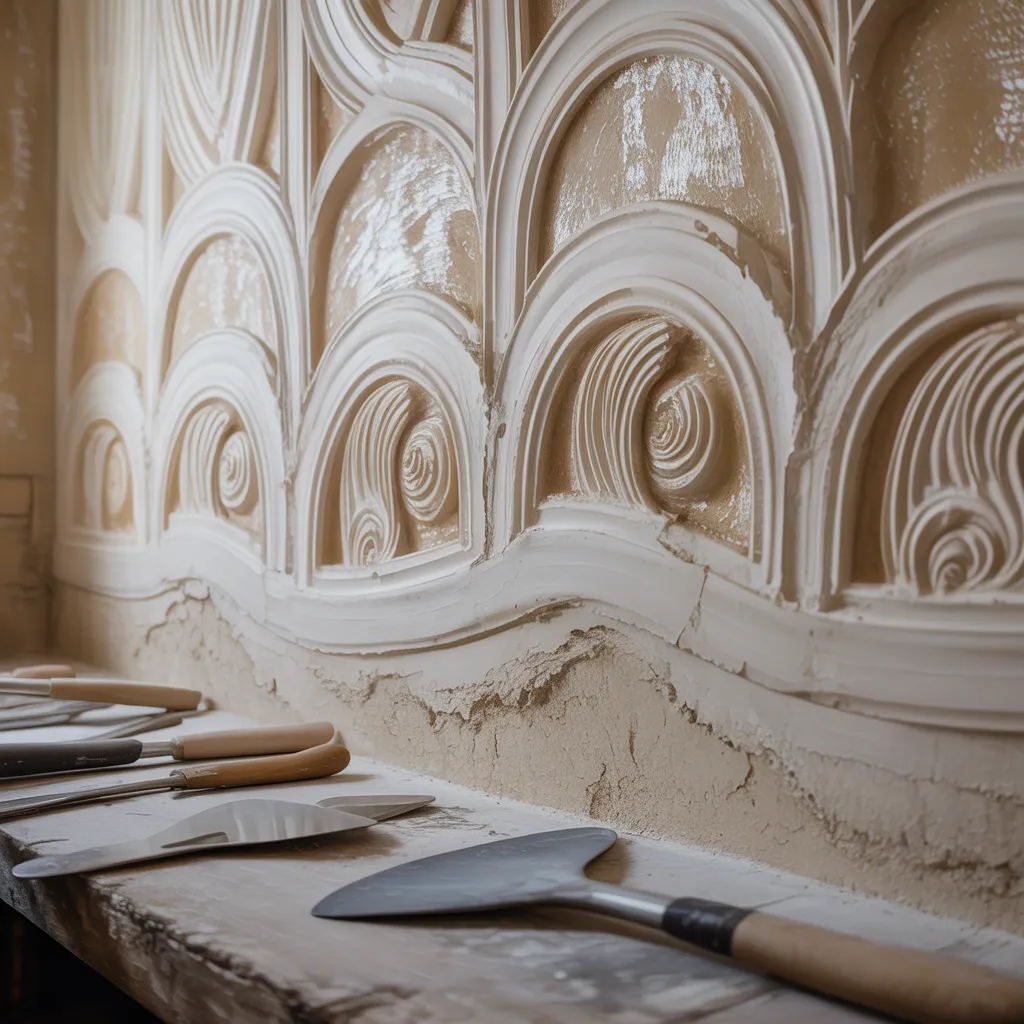
Discovering Venetian Plaster: Heritage and Cultural Impact
Venetian plaster, a well-known artistic technique, has a rich history rooted in ancient Rome and Venice. Originally employed to produce a durable and water-resistant surface, this approach transformed into a refined art form, defined by its sleek, polished surface and radiant quality. Artisans employed a mixture of lime, marble dust, and pigments, allowing for a range of textures and colors.
During the Renaissance, Venetian plaster rose to prominence as an emblem of opulence and prestige, commonly embellishing the palaces and churches of the privileged class. Its significance extended beyond mere aesthetics; it symbolized an excellence in artisanal skill and a profound regard for beauty in architecture.
In modern times, this method keeps inspiring design professionals and homeowners, blending classic artistry with contemporary applications. Understanding its historical context enhances the understanding of Venetian plaster as more than just a decorative choice, but rather an embodiment of the enduring heritage of creative expression in the realm of interior design.
Why Should You Choose Venetian Plaster for Your Home?
Choosing Venetian plaster for residential spaces provides a distinctive aesthetic appeal that elevates the beauty of any space. Its endurance and long-lasting nature confirm that the investment withstands the test of time, while serving as an environmentally conscious choice aligns with eco-conscious lifestyles. Residents seeking a balance of style and durability can consider Venetian plaster to be an ideal choice.
Exceptional Aesthetic Allure
When seeking a unique aesthetic for indoor areas, property owners often find that Venetian plaster offers a distinctive aesthetic appeal unlike any other wall treatment. This time-honored technique, defined by its sleek, lustrous surface, evokes a sense of elegance and sophistication. The nuanced shifts in color and texture create a compelling visual impact, capturing the gaze and improving the ambiance of any room. Venetian plaster is available in a selection of styles, from traditional to modern, facilitating customization that showcases personal taste. Its ability to replicate the look of stone or produce a gentle, luminous sheen brings character and coziness to indoor environments. As a result, Venetian plaster turns plain surfaces into impressive highlights, improving the entire look of a home.
Strength and Lasting Power
Although numerous wall treatments tend to deteriorate over time, Venetian plaster distinguishes itself through its outstanding durability and longevity. This exquisite finish is made with natural materials, offering a durable surface that can stand up to years of wear. Unlike traditional paint, which may flake or deteriorate, Venetian plaster establishes a firm connection with the wall, ensuring it maintains its integrity for decades. Its special makeup allows it to repel humidity and mold growth, making it especially ideal for areas prone to humidity. Moreover, the finish can be effortlessly renewed, requiring minimal maintenance to keep it maintaining its pristine appearance. Residents recognize that this timeless material not only enhances aesthetic appeal but also offers a practical, long-lasting solution for interior spaces.
Sustainable Material Choice
Venetian plaster is widely recognized not just for its durability but also for its sustainable qualities. Composed mainly of natural ingredients such as lime, marble dust, and pigments, it creates minimal environmental harm compared to artificial alternatives. This natural composition allows for breathability, which helps regulate indoor humidity and improves air quality. Furthermore, Venetian plaster contains no harmful volatile organic compounds (VOCs), making it a healthier option for households, especially for those with allergies or sensitivities. Its durability additionally supports sustainability, as it minimizes the necessity for frequent replacements or repairs. By opting for Venetian plaster, homeowners not only improve aesthetics but also commit to a responsible, environmentally aware material that supports modern sustainable living standards.
Essential Materials for Venetian Plastering
The artistry of Venetian plastering relies heavily on a carefully chosen set of materials that contribute to its distinctive finish and longevity. At the heart of the mixture, the compound typically incorporates slaked lime, which is vital for its suppleness and ventilation. This lime reacts to carbon dioxide in the air, permitting the plaster to cure and strengthen naturally. Furthermore, marble dust is often incorporated, providing a fine finish that enhances the aesthetic appeal. The use of natural pigments can further elevate the design, creating a broad palette of shades that harmonize with different interior settings.
In addition, top-grade tools, such as trowels and spatulas, prove indispensable in attaining the intended results. The use of these instruments and supplies directly affects the plaster's workability and the final appearance, making them discover details on fundamental to the process of Venetian plastering. In unison, these materials create a lasting result that blends aesthetics with practicality in interior design.
Venetian Plaster Application: A Step-by-Step Guide
During the application of Venetian plaster, the right tools are essential for a perfect finish. This guide outlines the essential tools and application techniques necessary for a successful project. Mastering each step will ensure a professional-grade outcome.
Necessary Tools Required
To successfully apply Venetian plaster, the right tools are absolutely essential. A trowel, specifically a stainless steel one, is vital for achieving smooth, even layers. Using a float, typically crafted from wood or plastic, assists in refining the surface texture and enhancing the final appearance. Additionally, a hawk allows for easy access to plaster while applying it to the wall. A sponge is ideal for delicate blending and final touches, producing a refined finish. A level guarantees that surfaces remain even throughout the process. Finally, high-quality Venetian plaster and appropriate primer are necessary for peak adhesion and durability. Combined, these tools establish the groundwork for a flawless Venetian plaster application, guaranteeing an impressive outcome.
Application Techniques Explained
Attaining a flawless Venetian plaster finish necessitates a structured approach to application. First, the surface needs to be properly prepared, ensuring it is dry, clean, and even. Following this, a base coat is spread using a trowel, forming a consistent foundation. Once dry, the artisan combines the Venetian plaster, reaching the intended color and texture. The application begins with a light layer, distributing the plaster in a round pattern to prevent lines. Once the first coat has dried, subsequent coats are layered, each time applying less pressure to build depth. Lastly, a burnishing technique is utilized to refine the surface, elevating the luster. Thorough curing is vital, permitting the finish to harden fully and securing longevity and beauty in the living space.
How to Take Care of Your Venetian Plaster
Maintaining Venetian plaster requires a thoughtful approach to copyright its beauty and integrity. Consistent care requires gentle cleaning with a gentle damp cloth to eliminate dust and debris without damaging the surface. Property owners ought to avoid aggressive cleaners and abrasive substances, as such products can damage or dull the appearance.
Additionally, it is important to monitor humidity levels in the space; high moisture levels can contribute to deterioration or mold growth. Using a protective wax or sealant every couple of years can improve durability and preserve the shine of the plaster surface.
Should stains appear, they must be addressed quickly with a mild soap solution, after which a thorough rinse is required. In cases of more substantial damage, consulting a professional is advisable to minimize the risk of worsening the condition. Through consistent adherence to these guidelines, Venetian plaster can remain a stunning and enduring feature throughout any interior setting.
Top Mistakes to Avoid When Hiring Venetian Plastering Professionals
What should homeowners consider when hiring Venetian plastering professionals? One typical oversight is not checking qualifications and experience. Professionals should have relevant certifications and a proven track record in Venetian plastering techniques. Furthermore, homeowners frequently underestimate the importance of examining portfolios. A thorough examination of past work can provide insight into an artist's style and skill level.
Another common pitfall is neglecting to gather multiple quotes. Evaluating different bids ensures you receive fair pricing and reveals varying levels of service. Homeowners should also avoid rushing the hiring process; taking time to ask questions about materials and methods can prevent future issues.
Lastly, it's vital to confirm the timeline and warranty details before commencing work. By preventing these mistakes, home occupants can ensure a smooth and satisfying Venetian plastering outcome, transforming their interiors with great results.
Common Questions and Answers
Can Venetian Plaster Be Applied Over Existing Paint or Wallpaper?
Yes, Venetian plaster can be installed over current paint or wallpaper, but careful preparation is key. The underlying surface must be properly cleaned, and any loose materials removed to secure ideal adherence and an even finish.
What Is the Complete Drying Time for Venetian Plaster?
Venetian plaster usually needs 24 to 48 hours to dry completely, based on conditions like humidity and temperature. Adequate ventilation can help speed up the drying process, guaranteeing optimal results for the final finish.
Can Venetian Plaster Be Used in Damp Areas Such as Bathrooms?
Venetian plaster is usually not suggested for moisture-prone areas such as bathrooms due to moisture absorption, which can lead to mold and deterioration. Nevertheless, when appropriately sealed and ventilated, it can be successfully applied in these environments.
Can Venetian Plaster Be Painted Over if I Decide to Change It?
Yes, Venetian plaster can be painted over if needed. However, it's essential to guarantee proper surface preparation and use compatible paints to maintain the finish's integrity and appearance, which will result in a smooth and successful outcome.
What Color Options and Finishes Can You Choose for Venetian Plaster?
Venetian plaster provides an extensive selection of hues and finishes, ranging from soft pastels to bold hues and metallic finishes. The finish can be polished for a glossy look or left matte for a more natural appearance.